
How to Keep Your Hands Warm in Winter: 11 Ways That Actually Work
Cold hands can ruin an otherwise great winter day.
You might be standing on the sidelines watching your kids play sport, teeing off early on a frosty morning, walking the dog before work, camping, hiking or working outdoors.
Everything else feels fine.
But your fingers are freezing.
So, what is the best way to keep your hands warm in winter?
The answer isn't simply wearing thicker gloves.
Keeping your hands comfortable involves protecting them from wind and moisture, retaining the heat your body already produces and, when necessary, adding an external source of warmth.
Here are 11 practical ways to keep cold hands warmer this winter.
1. Keep Your Core Warm First
It sounds strange when the problem is your hands, but don't focus exclusively on your fingers.
Keeping your whole body appropriately dressed for the conditions matters.
Start with your torso.
Wear suitable layers and protect exposed areas from cold wind.
A warm jacket, base layers and appropriate head and neck protection can make a big difference to overall winter comfort.
Before buying another pair of enormous gloves, make sure the rest of you is properly dressed for the conditions.
2. Don't Wait Until Your Hands Are Freezing
One of the most common winter mistakes is waiting until you're already extremely cold before doing something about it.
Prevention is much easier.
Put gloves on before heading into cold conditions.
Turn your hand warmer on before your fingers become painfully cold.
Add another layer before you start shivering.
Once your hands are extremely cold, getting comfortable again can take considerably longer.
Think:
Stay warm rather than get warm.
3. Protect Your Hands From Wind
Temperature isn't the only thing that makes winter uncomfortable.
Wind matters too.
A cold wind can quickly make exposed hands uncomfortable, even when the air temperature doesn't seem particularly extreme.
If you're spending long periods outside, consider a wind-resistant outer layer for your hands or a hand warmer with a weather-resistant shell.
This is particularly important for:
-
Golfers
-
Hikers
-
Outdoor workers
-
Football spectators
-
Campers
-
Dog walkers
-
Parents standing beside sporting fields
Sometimes the problem isn't that you need significantly more heat.
You simply need to stop losing the warmth you already have.
4. Keep Your Hands Dry
Cold and wet is a miserable combination.
Wet gloves can quickly become uncomfortable, particularly if you're outside for hours.
Choose appropriate gloves for the conditions and have a dry backup pair available when you're likely to encounter rain or moisture.
This becomes particularly important during winter golf, hiking, camping and outdoor work.
Warmth isn't just about producing heat.
It's also about protecting yourself from the environment that's taking that heat away.
5. Use a Rechargeable Hand Warmer
Sometimes insulation isn't enough.
That's when actively heated products become useful.
Rechargeable hand warmers use battery-powered heating elements to create warmth rather than simply trying to retain the heat your hands already produce.
Depending on the design, they can provide:
-
Adjustable temperatures
-
Reusable heat
-
Several hours of warmth
-
On-demand heating
-
Multiple heat settings
They're particularly useful for people who regularly spend long periods outdoors during winter.
Instead of opening another disposable heat pack every time you get cold, you can recharge the battery and use the warmer again.
6. Consider Heating Both Sides of Your Hands
Here's something worth checking when comparing hand warmers:
Where is the heat actually coming from?
Some products generate warmth from a relatively small surface.
Others provide much larger heating areas.
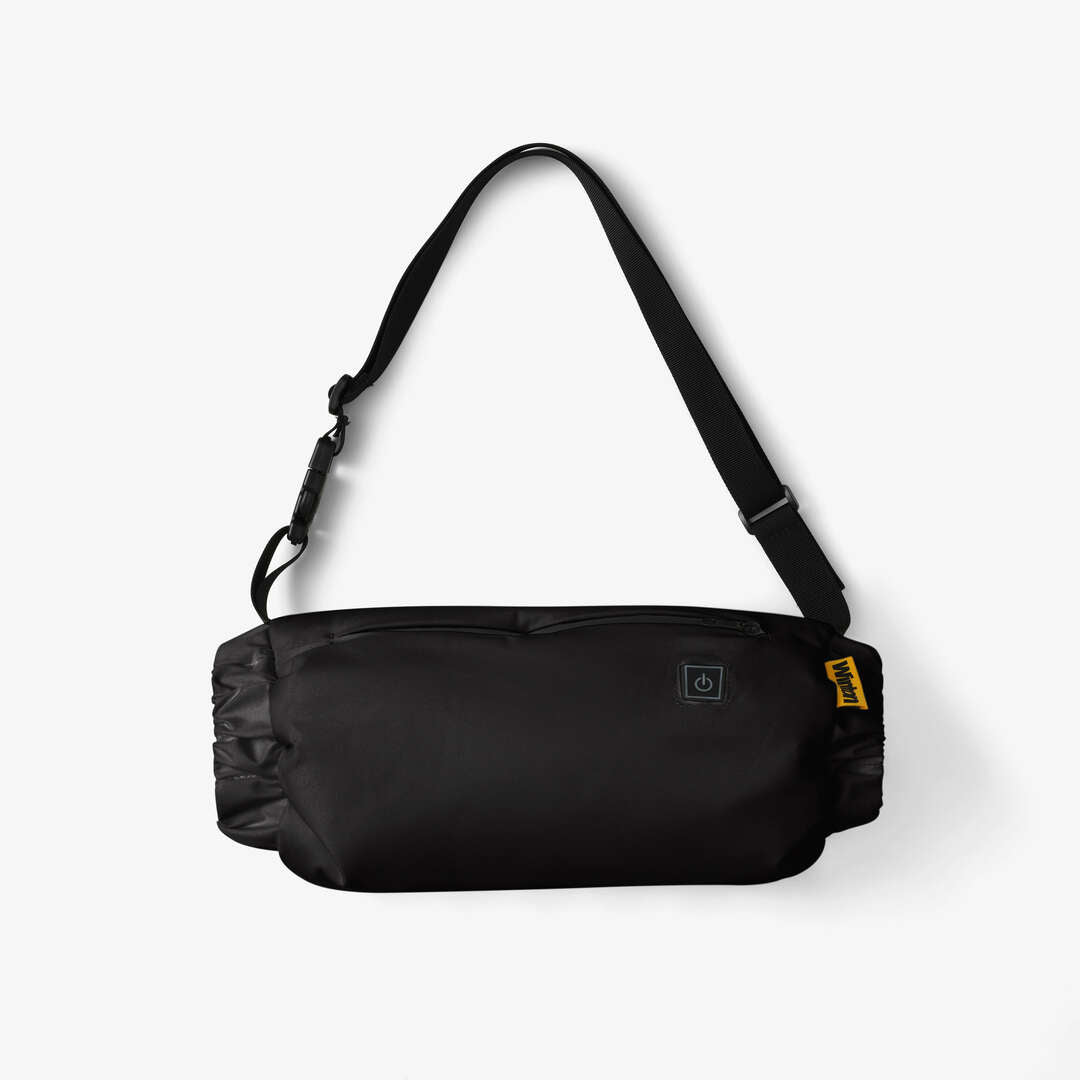
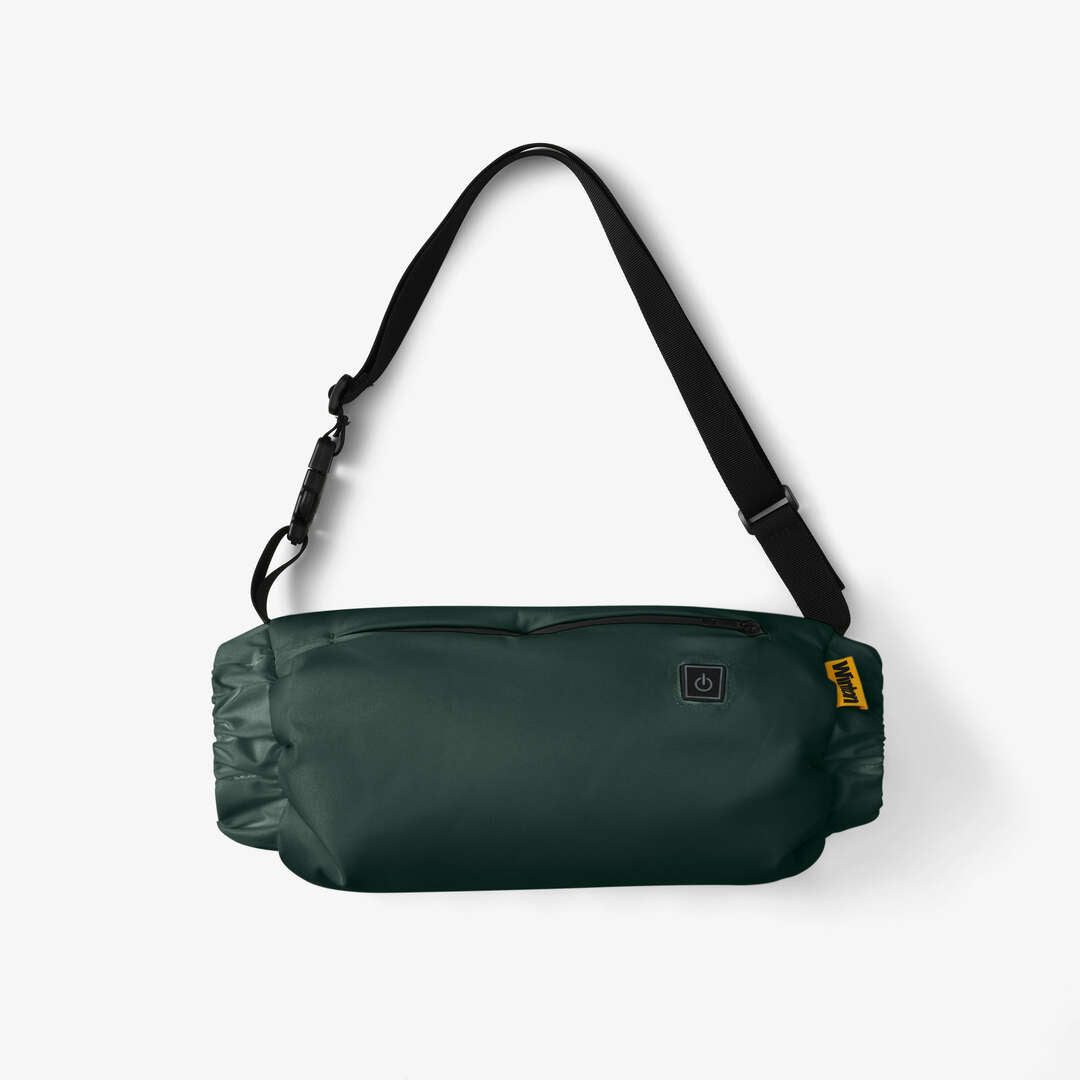
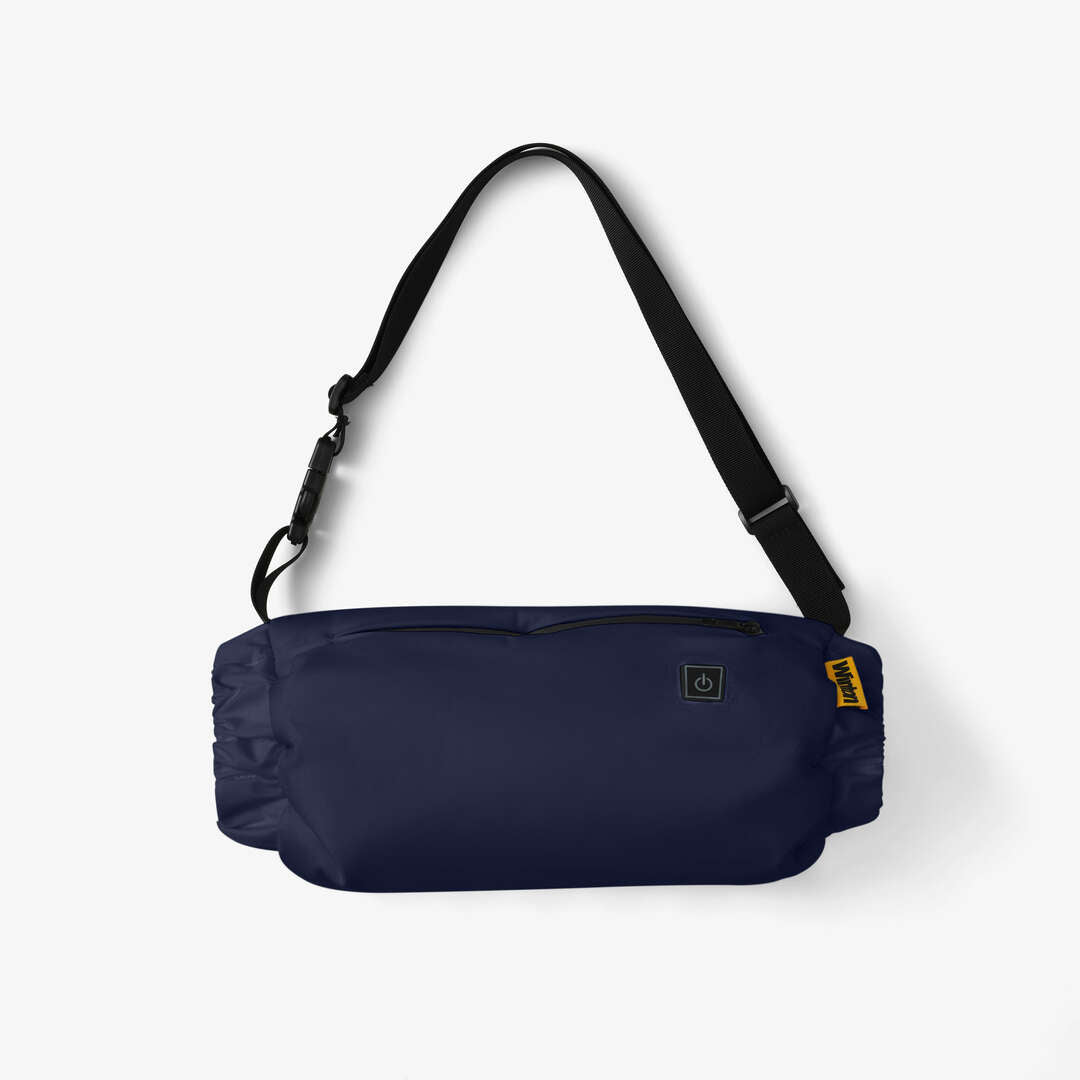
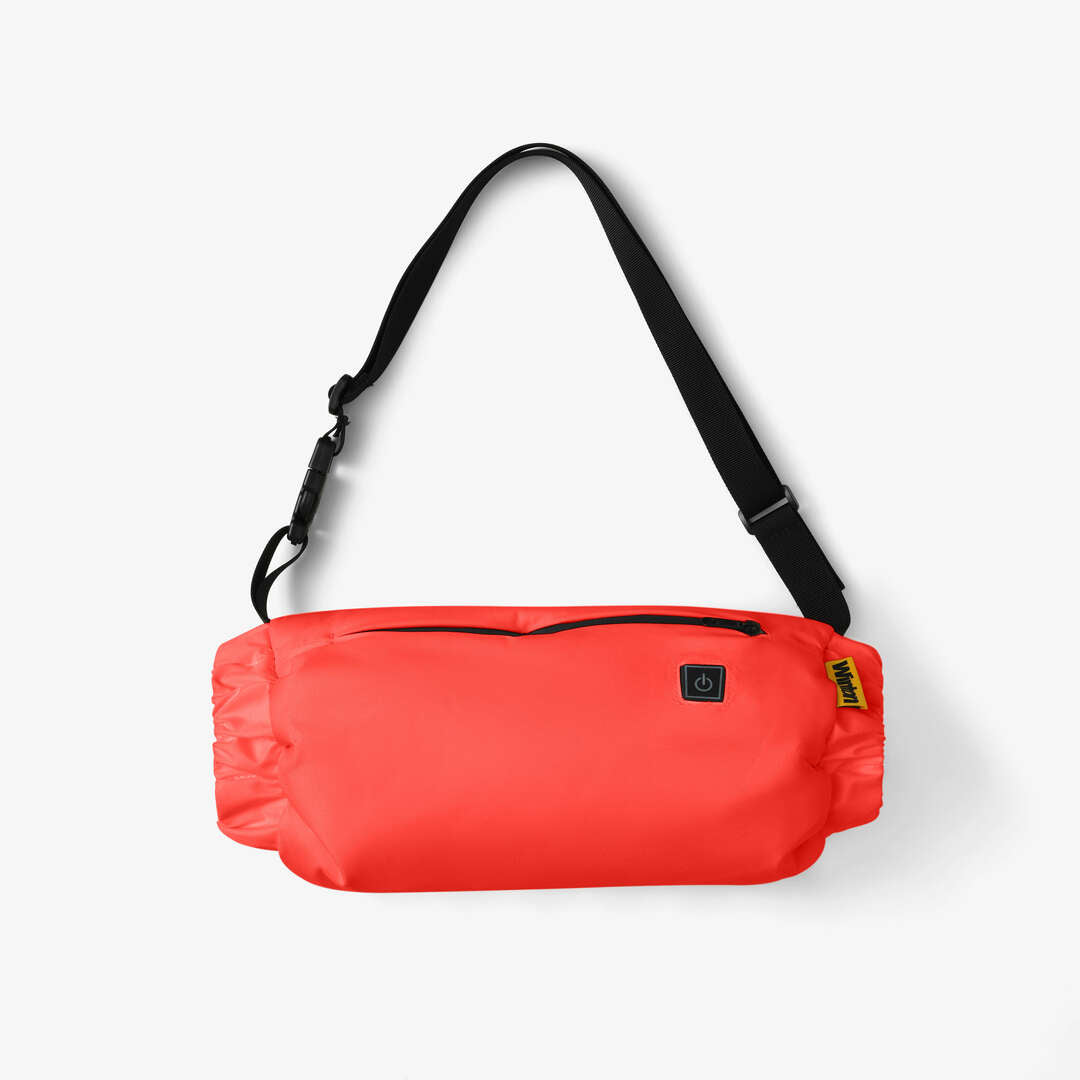
The Winton Rechargeable Heated Hand Warmer takes a different approach.
Rather than holding a small heated object in each hand, both hands sit inside a soft fleece-lined compartment.
Inside are two XL heating panels — one across the front and another across the back.
That creates a larger heated environment around your hands.
It's worth considering when comparing hand warmers because maximum temperature tells you only part of the story.
Heating coverage matters too.
7. Choose Adjustable Heat
Winter isn't one temperature.
Neither are you.
The heat you want standing beside a football oval at 7am may be completely different from what you want walking around at midday.
That's why adjustable temperature can be useful.
The Winton Hand Warmer offers three settings:
45°C — Low
For gentle warmth and milder conditions.
55°C — Medium
For colder days and general winter use.
65°C — High
For when conditions become seriously cold.
Rather than having one fixed temperature, adjustable heating lets you choose the level of warmth that feels appropriate for the conditions.
8. Use Mittens When Dexterity Isn't Important
There's a reason mittens have survived generations of winters.
Your fingers share the same insulated space instead of being separated into individual compartments.
The disadvantage?
Dexterity.
Trying to use a phone, handle equipment or perform detailed tasks while wearing bulky mittens isn't always practical.
That's where a combination can work well.
Use gloves when you need your hands.
Then place your hands together inside a heated warmer when you're waiting.
For golfers, spectators and people regularly switching between activity and standing still, this can be particularly useful.
9. Keep Moving
Movement can help you feel warmer.
If you're standing around for long periods, periodically walking or moving your body can make being outside more comfortable.
This is one reason spectators often feel colder than the people actually playing sport.
They're standing still.
If you're at junior football, golf, a campsite or another outdoor event, don't spend hours completely motionless if you can avoid it.
Even a short walk can help you feel more comfortable.
10. Carry Warmth With You
The best winter solution isn't particularly useful if you leave it at home.
If you're someone who regularly gets cold hands, make warmth part of your normal winter kit.
Depending on what you're doing, that could mean keeping:
-
Gloves in the car
-
A rechargeable hand warmer in your golf bag
-
Spare dry gloves in your backpack
-
A warmer in your work bag
-
Additional layers in the car
-
A charging cable or power bank nearby
The objective is simple:
When the temperature suddenly drops, you're prepared.
11. Choose the Right Solution for What You're Actually Doing
There isn't one perfect solution for every person.
Someone commuting for 20 minutes has very different requirements from someone standing outside for eight hours.
Think about your activity.
For golf
You need warmth without compromising your grip.
A wearable hand warmer allows you to warm your hands between shots and remove them when you're ready to play.
For watching kids' sport
You're often standing still for long periods, making sustained warmth and wind protection particularly useful.
For outdoor work
Durability, battery life and the ability to quickly remove your hands to work become important.
For camping
Long battery life and insulation matter because you're likely to be outside for extended periods.
For walking the dog
Convenience matters. You want something you can easily use while moving.
For everyday cold hands
Comfort and adjustable temperature may matter more than maximum heat.
Start with the situation.
Then choose the warming solution.
Why Are My Hands Always Cold?
Some people simply notice cold hands more frequently than others.
Environmental temperature, wind, moisture, clothing and activity levels can all influence how cold you feel.
However, persistently cold hands can also have medical causes.
If your fingers frequently become extremely cold, painful, numb or change colour — particularly white, blue or red — speak with an appropriate healthcare professional rather than assuming it's simply the weather.
What About Raynaud's and Cold Hands?
Raynaud's phenomenon can cause areas such as the fingers and toes to feel numb or cold in response to low temperatures or stress.
Keeping warm and reducing exposure to sudden temperature changes are commonly recommended strategies for people affected by Raynaud's.
A rechargeable hand warmer may provide a convenient external source of warmth when you're in cold environments.
However, heated hand warmers are not medical treatments.
Anyone with Raynaud's, reduced temperature sensation, circulation problems or another medical condition should follow professional medical advice and the safety instructions supplied with heated products.
Gloves vs Hand Warmers: Which Is Better?
Ideally, don't think of it as one or the other.
They do different jobs.
Gloves primarily retain warmth and protect your hands from the environment.
Heated hand warmers actively generate warmth.
For some situations, using both can be extremely effective.
Wear appropriate gloves while you're active.
Then use a heated hand warmer whenever you're standing still or don't need your hands.
Golf is a perfect example.
You don't necessarily want thick gloves interfering with your grip.
Instead, warm your hands between shots and take them out when it's time to swing.
Are Rechargeable Hand Warmers Worth It?
It depends on how frequently you use them.
If you need a hand warmer once a year, a disposable warmer may be perfectly adequate.
If you're cold every weekend throughout winter, the calculation changes.
Rechargeable hand warmers can be used repeatedly and generally allow considerably more control over heat than disposable alternatives.
For frequent users, think about cost per use, not simply the upfront purchase price.
How Long Should a Rechargeable Hand Warmer Last?
It depends on the battery, heating technology, outside temperature and heat setting.
Higher temperatures generally require more battery power.
When comparing products, don't just look at maximum temperature.
Consider:
Battery life + heating area + insulation + temperature control.
A hand warmer that becomes extremely hot for a short period isn't necessarily more useful than one designed to keep you comfortably warm for an entire day outside.
The Winton Rechargeable Heated Hand Warmer provides 8+ hours of warmth, making it suitable for extended periods outdoors.
What's the Best Hand Warmer for Australia?
Australian winter conditions vary enormously.
A cold Melbourne morning is different from winter in Canberra, Tasmania or the Victorian High Country.
The right hand warmer depends on how you're going to use it.
For regular outdoor use, look for:
-
Rechargeable heating
-
Adjustable temperature
-
Large heating coverage
-
Long battery life
-
Comfortable insulation
-
Wind and weather protection
-
Easy access to your hands
And importantly:
Choose something you'll actually take with you.
Frequently Asked Questions About Cold Hands
How can I warm my hands quickly?
Move somewhere protected from cold and wind, remove wet clothing or gloves and warm your hands gradually. A suitable external heat source can provide additional warmth, but avoid excessive temperatures and follow the manufacturer's safety instructions.
Why don't gloves keep my hands warm?
Gloves primarily insulate your hands rather than generating heat. Their effectiveness can also be reduced by wind, moisture, poor fit and inadequate insulation for the conditions.
Are mittens warmer than gloves?
Mittens can retain warmth effectively because your fingers share the same insulated space rather than being individually separated. Gloves provide greater dexterity, so the better option depends on your activity.
What is the best way to keep your hands warm while playing golf?
Wear appropriate layers, keep your hands protected between shots and consider a hand warmer that allows you to quickly remove your hands when you're ready to swing. This provides warmth without requiring bulky gloves while playing.
What should I look for in a rechargeable hand warmer?
Look beyond maximum temperature. Consider battery life, heating coverage, adjustable temperature, insulation, weather resistance, comfort and how easily you can use your hands while using the product.
Can rechargeable hand warmers help keep cold hands comfortable?
Rechargeable hand warmers provide an external source of controllable heat and can make cold environments more comfortable. They don't treat underlying medical causes of persistently cold hands.
Stop Enduring Winter
There's no prize for being cold.
For generations we've treated freezing hands as simply part of being outside during winter.
They don't have to be.
Dress properly.
Stay dry.
Protect yourself from wind.
Keep moving.
And when insulation isn't enough, add warmth.
The Winton Rechargeable Heated Hand Warmer was created around exactly that idea.
Two XL heating panels. Three temperature settings. 8+ hours of rechargeable warmth. One incredibly soft place to put your hands.
Because winter shouldn't mean staying inside.
Get your winter back.