
Rechargeable Hand Warmers vs Disposable Hand Warmers: Which Is Better?
Cold hands can turn an otherwise great winter day into something you simply want to get through.
Whether you're watching weekend sport, playing an early round of golf, working outdoors, camping or walking the dog on a freezing morning, keeping your hands warm isn't just about feeling cosy. Warmth can make spending time outside considerably more comfortable.
For years, disposable hand warmers have been one of the most common solutions. Open the packet, expose the warmer to air and place it in a pocket or glove.
But rechargeable hand warmers offer a different approach: reusable, controllable warmth whenever you need it.
So which option is better?
Quick Answer: Rechargeable vs Disposable Hand Warmers
For occasional or emergency use, disposable hand warmers can be convenient because they're lightweight, require no charging and can be stored until needed.
For people who regularly experience cold hands, however, rechargeable hand warmers can offer several advantages.
Rechargeable hand warmers can provide:
-
Reusable warmth
-
Adjustable heat
-
More control over temperature
-
Less reliance on single-use products
-
Heat at the press of a button
-
A potentially better long-term solution for frequent winter use
The best choice ultimately depends on where, how often and why you need warmth.
What Is a Rechargeable Hand Warmer?
A rechargeable hand warmer uses battery-powered heating elements to produce heat.
Unlike traditional disposable warmers, which rely on a chemical reaction activated after opening the packet, rechargeable models can generally be switched on and off and used repeatedly after charging.
There are several types available.
Some are small heated devices designed to sit in your palm, while wearable designs allow both hands to remain inside an insulated compartment.
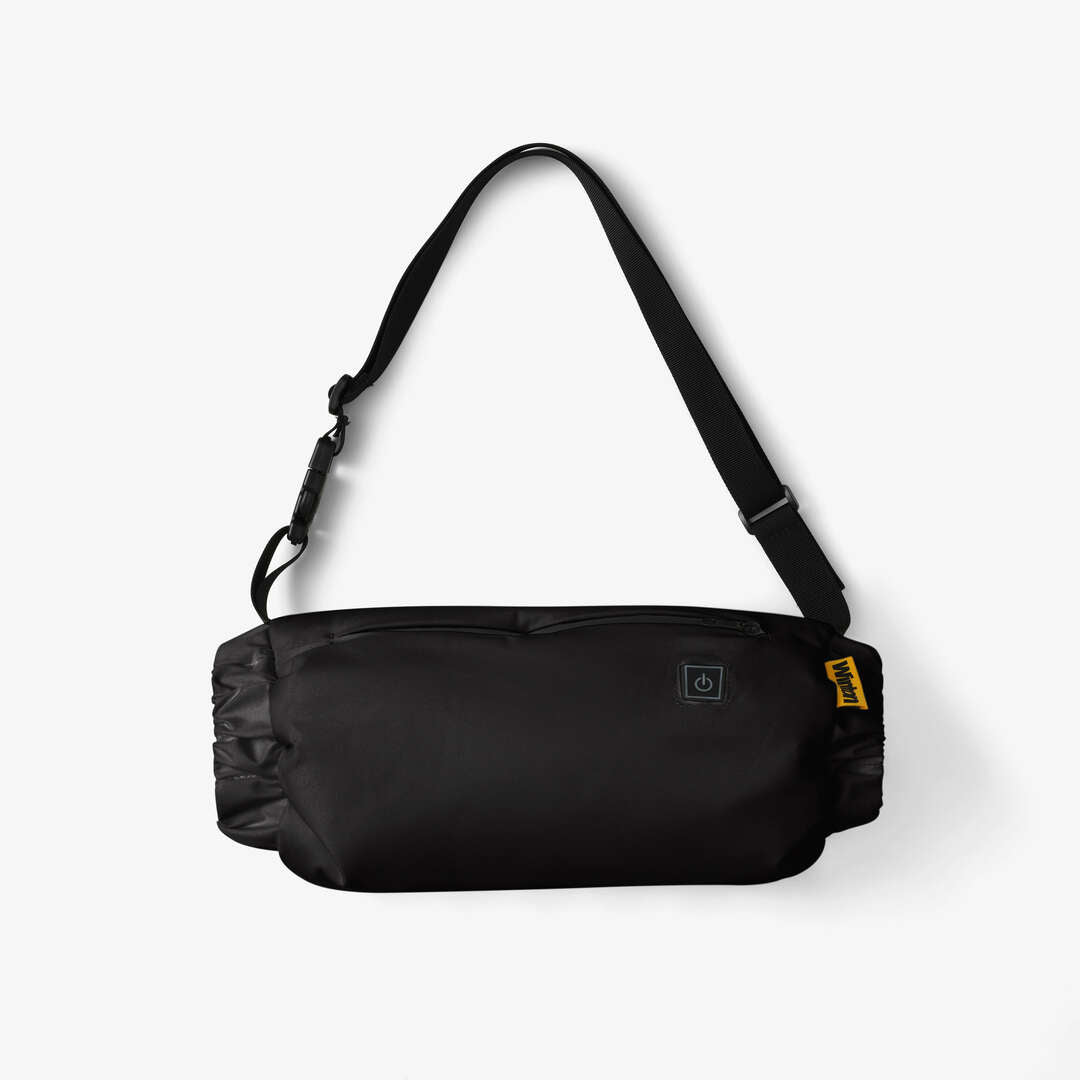
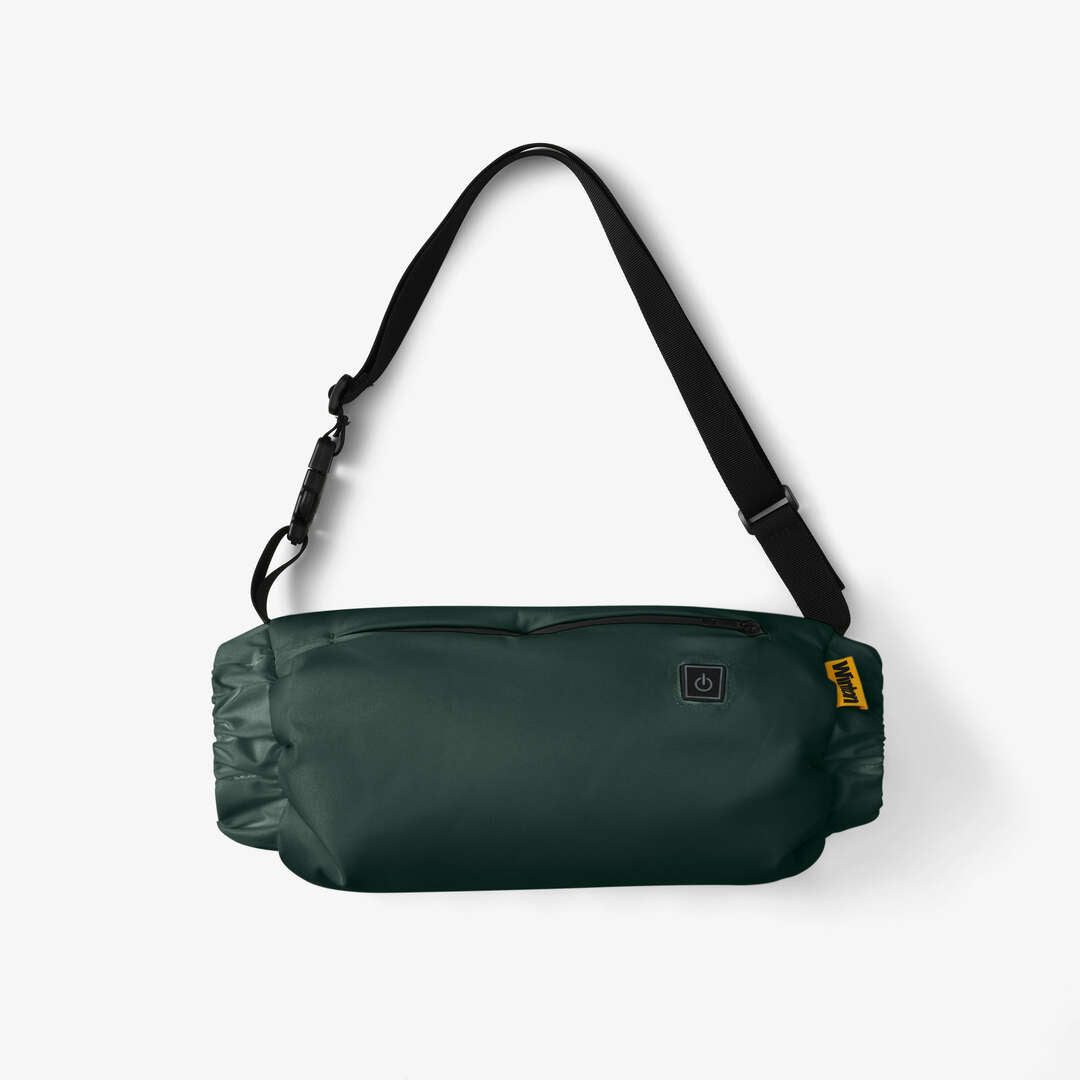
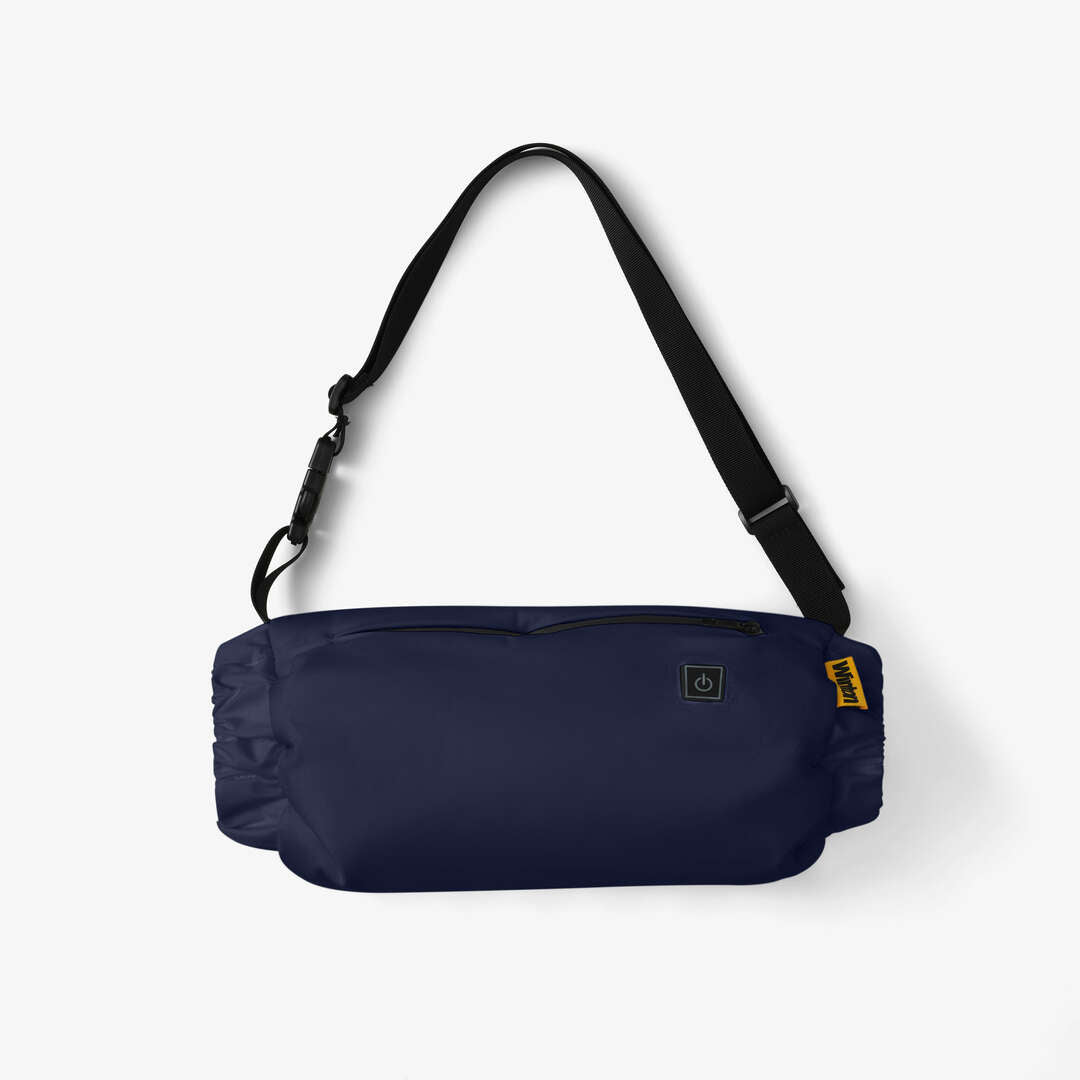
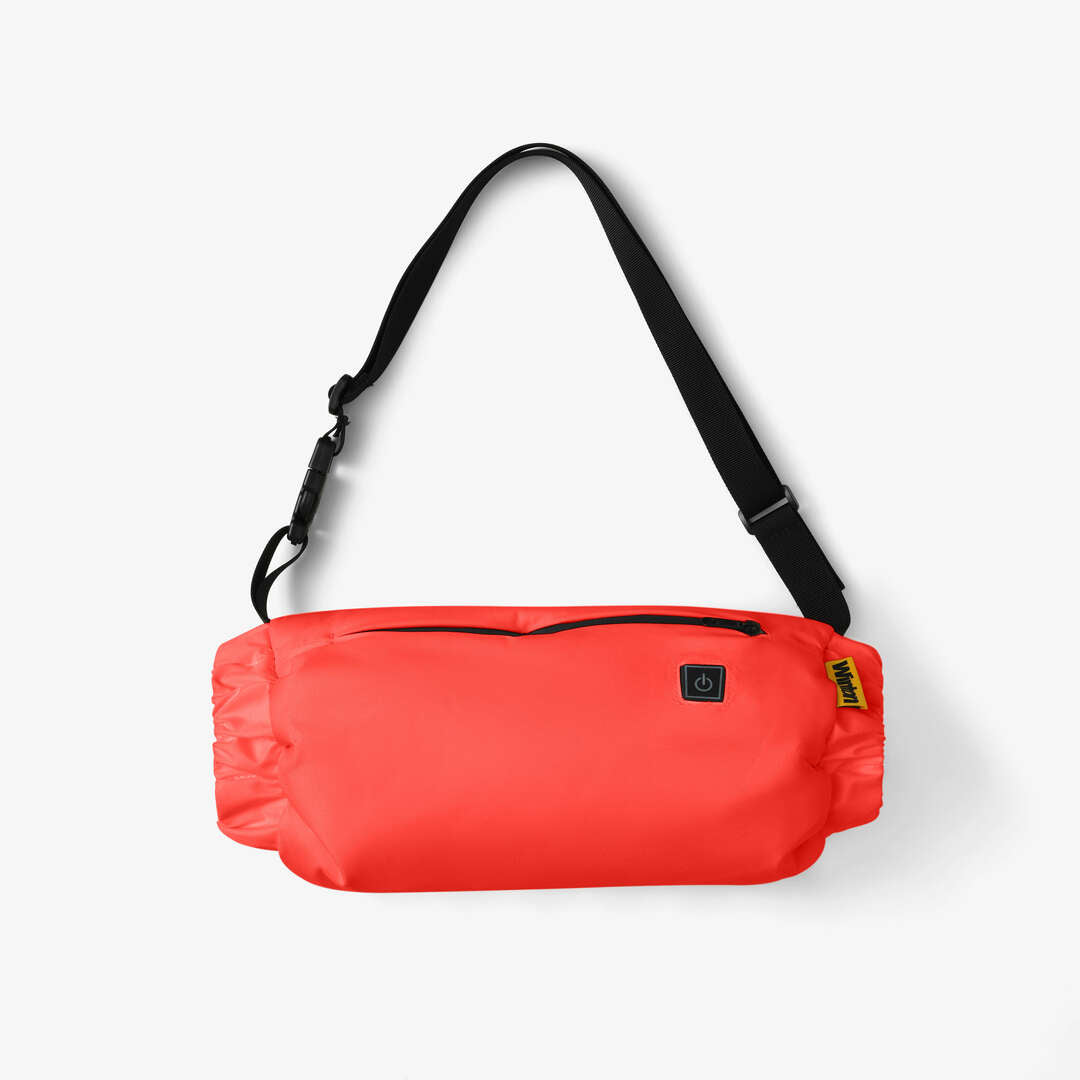
The Winton Rechargeable Heated Hand Warmer, for example, uses two XL heating panels positioned across the front and back of the warmer, surrounded by insulation and an ultra-soft fleece interior.
It provides three selectable temperature settings:
45°C — Low
55°C — Medium
65°C — High
Rather than accepting whatever temperature a disposable warmer produces, the user can select the level of warmth that feels most comfortable for the conditions.
7 Benefits of Rechargeable Hand Warmers
1. You Can Control the Temperature
This is one of the biggest differences between rechargeable and disposable hand warmers.
Once a traditional air-activated disposable warmer starts its chemical reaction, you have relatively little control over its heat output.
Rechargeable warmers can offer adjustable heat settings.
That matters because the amount of warmth you want on a mildly cold morning can be very different from what you want standing beside a football oval in the middle of winter.
With Winton, users can choose between 45°C, 55°C and 65°C.
Start low.
Increase the temperature when you need it.
Turn it off when you don't.
That simple ability to control your warmth can make rechargeable heating considerably more versatile.
2. Warmth Is Available When You Want It
Disposable warmers usually need to be opened and activated before they begin producing useful heat.
Rechargeable warmers are different.
Charge the battery, switch the warmer on and heat begins when you need it.
This can be particularly useful when conditions change throughout the day.
Imagine playing golf on a winter morning.
The first few holes might be freezing. By midday, the sun appears and temperatures rise.
Instead of continuing to use a disposable warmer that's already been activated, a rechargeable warmer can simply be switched off.
If the temperature drops again later, switch it back on.
You control when your warmth is being used.
3. They're Designed to Be Used Again and Again
The clue is in the name.
Rechargeable.
Instead of opening another disposable warmer every time you head outside, you recharge the battery and use the warmer again.
For someone who only needs hand warmth once or twice a year, disposable warmers may still make sense.
But frequent winter users should consider the bigger picture.
A golfer playing every weekend.
A parent standing beside a sports field every Saturday.
A construction worker starting before sunrise.
A dog owner walking every morning.
A camper spending multiple nights outdoors.
When cold exposure is part of your normal routine, reusable heating becomes much more compelling.
4. They Can Reduce Single-Use Waste
Disposable hand warmers are designed to be thrown away after use.
That convenience can be useful in certain situations, particularly emergency kits and occasional outdoor activities.
But regular users can go through a surprising number of individual warmers across a winter.
A rechargeable warmer changes the equation.
Instead of continually replacing individual heat packs, the same heating system can be recharged and used repeatedly.
If reducing single-use products matters to you, this is an important advantage to consider.
5. Adjustable Warmth Can Improve Comfort
Comfort is personal.
Some people want gentle warmth.
Others want considerably more heat when the temperature drops.
That's where adjustable heating becomes valuable.
Rather than simply asking:
"Is my hand warmer hot?"
you can ask:
"What temperature feels comfortable right now?"
This is particularly useful when moving between different environments.
You might be standing outside in freezing wind one moment and sitting inside a sheltered area the next.
Being able to adjust the heat gives you more control over your comfort throughout the day.
What About People Who Regularly Experience Cold Hands?
Some people experience cold hands much more frequently than others.
Cold weather can also be particularly uncomfortable for people affected by conditions associated with cold extremities, including Raynaud's phenomenon.
Keeping warm and avoiding sudden temperature changes are commonly recommended strategies for managing cold-triggered symptoms.
However, heated products aren't medical treatments.
Anyone with a medical condition affecting circulation, temperature sensation, skin sensitivity or the ability to detect heat should seek appropriate medical advice before using heated products and follow the product's safety instructions.
The goal of a heated hand warmer is straightforward:
provide controllable external warmth and make cold environments more comfortable.
Rechargeable Hand Warmer vs Disposable: Side-by-Side
| Feature | Rechargeable | Disposable |
|---|---|---|
| Reusable | ✓ | ✕ |
| Adjustable heat | Often | Usually no |
| Switch on/off | ✓ | ✕ |
| Requires charging | ✓ | ✕ |
| Good for frequent use | ✓ | Can become inconvenient |
| Good for emergency storage | Depends on charge | ✓ |
| Single-use waste | Lower | Higher |
| Temperature control | Higher | Limited |
| Upfront cost | Higher | Lower |
Neither option wins in every situation.
Disposable warmers still have a legitimate advantage when you need something extremely lightweight that can sit unused in an emergency kit without requiring a charged battery.
But for regular winter use, rechargeable warmth offers a level of control and reusability that disposable products simply can't provide.
Are Rechargeable Hand Warmers Worth It?
For frequent users, they can be.
Think about the decision based on cost per use rather than purchase price alone.
A disposable warmer may initially cost very little.
But it needs to be replaced after every use.
A rechargeable warmer costs more upfront but is designed to be used repeatedly.
The more often you use it, the more useful that distinction becomes.
Someone using hand warmers twice a year has very different needs from someone using them several times every week throughout winter.
If cold hands regularly stop you enjoying outdoor activities, investing in a reusable solution can make considerably more sense.
What Should You Look for in a Rechargeable Hand Warmer?
Not all rechargeable warmers work the same way.
Before buying one, consider:
Adjustable temperature
Multiple heat settings give you more control across changing weather conditions.
Heating coverage
A small heating element and a large heated surface can create very different experiences.
Look at where the heating elements are located, not simply the maximum advertised temperature.
Insulation
Generating heat is only half the equation.
Good insulation helps retain that warmth around your hands.
Battery life
Consider how long you're actually going to be outside.
A warmer that works for a short commute may not suit someone spending an entire day outdoors.
Comfort
If your hands are going to spend hours inside something, the interior material matters.
Weather protection
Outdoor winter conditions don't always mean cold alone.
Wind, moisture and changing weather should be considered when choosing a product designed for outdoor use.
Why Winton Designed a Different Kind of Rechargeable Hand Warmer
We created the Winton Hand Warmer around a simple problem.
Most solutions warm your hands individually.
We wanted to create a warm environment that you could put both hands inside.
The Winton Rechargeable Heated Hand Warmer combines:
Two XL heating panels
One positioned across the front and another across the back to provide broad heating coverage.
Three heat settings
Choose between 45°C, 55°C and 65°C depending on the conditions.
8+ hours of warmth
Designed for long winter days rather than a quick burst of heat.
Ultra-soft fleece interior
Because warmth isn't particularly useful if the product isn't comfortable to use.
Insulated construction
Helping retain the warmth generated by the heating panels.
Weather-resistant outer shell
Designed for real outdoor environments.
Elasticated side openings
Helping keep warmth inside while allowing your hands to easily move in and out.
Rechargeable power bank
The battery can also be used to charge your phone when required.
The result is less like carrying two small hand heaters and more like putting your hands into their own heated shelter.
Who Are Rechargeable Hand Warmers Best For?
Rechargeable hand warmers can be particularly useful for people who regularly spend time outdoors during winter, including:
Golfers
Cold hands and golf aren't a great combination. A wearable warmer allows you to warm both hands between shots without keeping bulky gloves on while swinging.
Parents watching junior sport
Standing still beside an oval can feel considerably colder than participating in the game.
Outdoor workers and tradies
Early starts often mean working through the coldest part of the day.
Campers and hikers
Rechargeable warmth can add another layer of comfort when temperatures fall.
Dog walkers
Those dark winter mornings become much easier when your hands have somewhere warm to go.
Spectators
Football, rugby and other winter sports don't stop just because it's freezing in the stands.
And sometimes you don't need a special reason at all.
You simply don't like having freezing hands.
That's reason enough.
Frequently Asked Questions
Are rechargeable hand warmers better than disposable hand warmers?
For frequent use, rechargeable hand warmers can offer significant advantages because they can be reused, provide controllable heat and can be switched on and off. Disposable warmers remain useful for occasional use and emergency storage.
How long do rechargeable hand warmers stay warm?
Battery life varies significantly between products and heat settings. The Winton Rechargeable Heated Hand Warmer is designed to provide 8+ hours of warmth, making it suitable for extended outdoor use.
Can you adjust the temperature of a rechargeable hand warmer?
Many rechargeable hand warmers offer multiple heat settings. Winton provides three: 45°C, 55°C and 65°C.
Are rechargeable hand warmers good for people with Raynaud's?
External warmth may help people keep their hands warm in cold environments, and keeping warm is commonly recommended for people affected by Raynaud's phenomenon. However, rechargeable hand warmers are not medical treatments. People with Raynaud's or other medical conditions should follow medical advice and the manufacturer's safety instructions.
Are rechargeable hand warmers cheaper than disposable ones?
Rechargeable warmers generally have a higher initial purchase price but can be used repeatedly. Disposable warmers cost less individually but must continually be replaced. For frequent users, comparing cost per use rather than initial price provides a more useful comparison.
Are reusable hand warmers environmentally friendly?
Rechargeable hand warmers can reduce the number of single-use hand warmers being discarded. However, rechargeable products also contain batteries and electronic components, so they aren't impact-free and should eventually be disposed of or recycled appropriately.
What's the best hand warmer for long periods outdoors?
Look for a rechargeable hand warmer with long battery life, broad heating coverage, adjustable temperature settings, insulation and a comfortable interior. For outdoor use, weather resistance is also worth considering.
The Bottom Line
Disposable hand warmers aren't bad products.
They're simply designed around a different idea:
Use it. Throw it away. Replace it.
Rechargeable hand warmers offer another option:
Charge it. Control it. Use it again.
For occasional emergency use, disposable warmers still make sense.
But if you're regularly standing on sidelines, walking through frosty mornings, playing winter golf, working outside or simply dealing with freezing hands every winter, rechargeable warmth can offer considerably more control and convenience.
Winter isn't going anywhere.
You can change how you experience it.